What Our Coconut Trees Tell Us About Sustainability
Why Our Coconut Trees Are Thriving
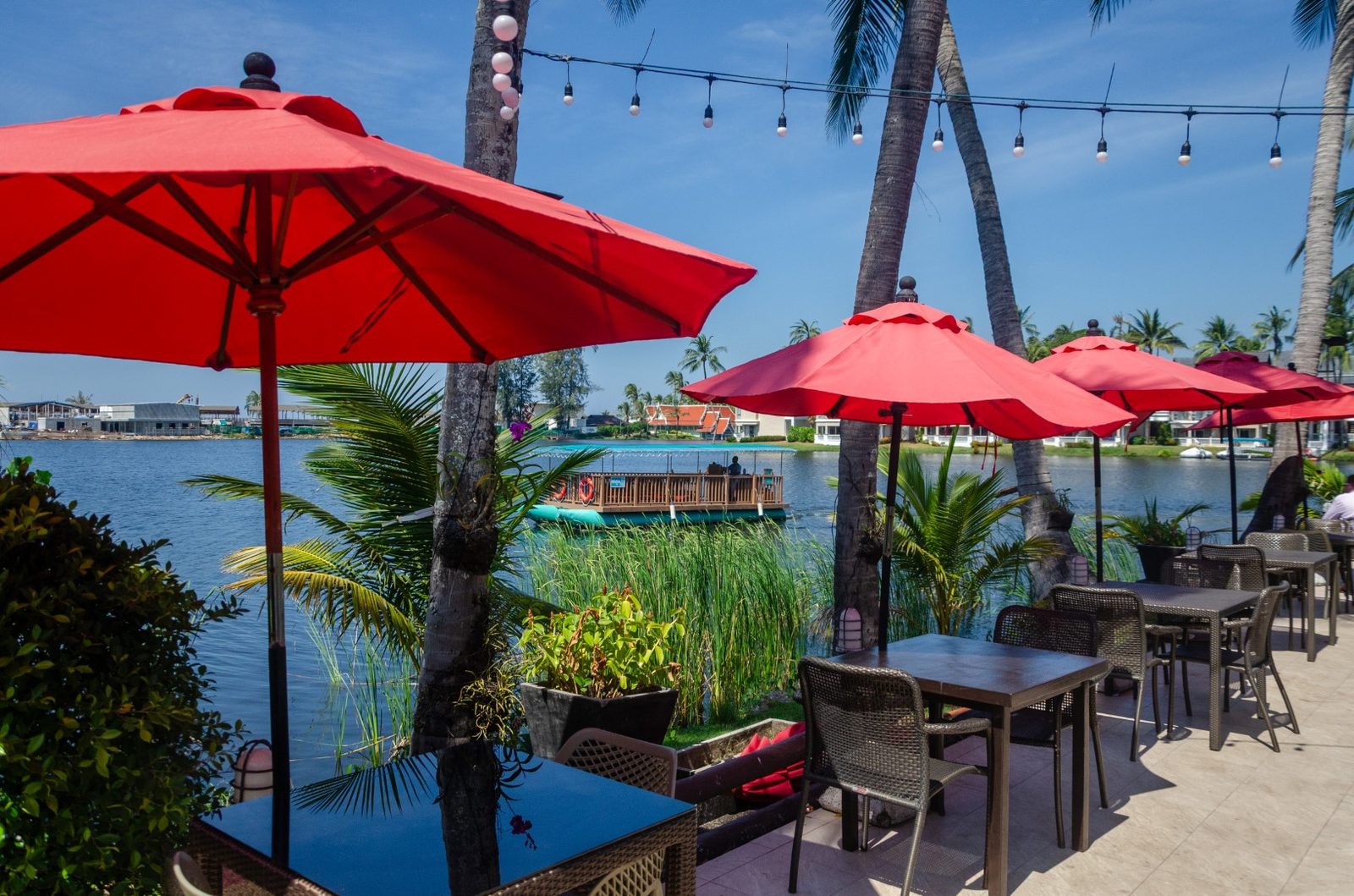
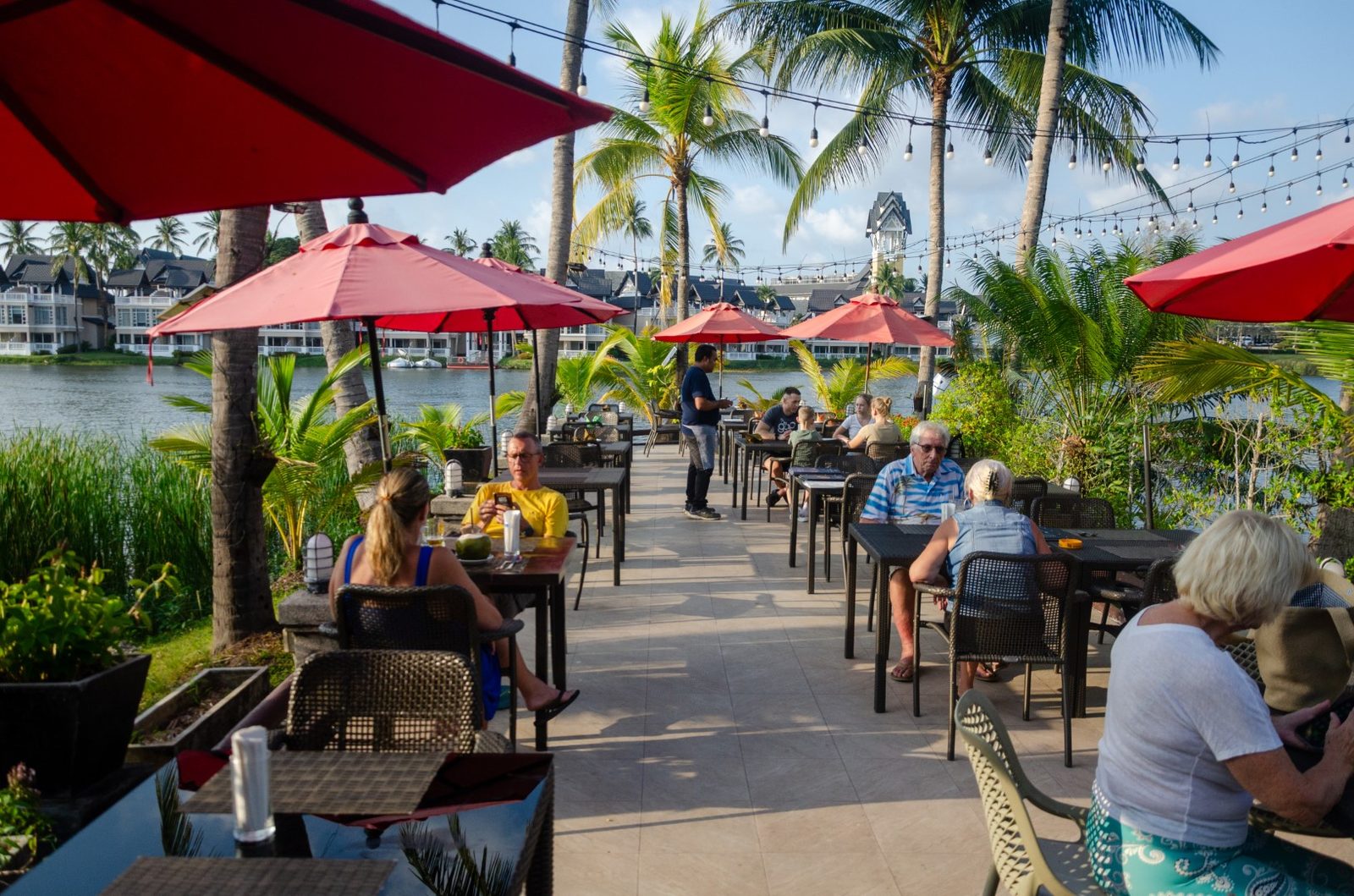
Walk out onto the terrace at Albatross Café and look up. The coconut trees over the lakeside seating are doing well, genuinely well, and that is not an accident of good weather. It is a fair signal for how we think about sustainability day to day, not as a policy document, but as something you can see growing over your head while you eat.
Those trees are healthy for three reasons: the compost we make from our own organic waste, the fresh air off the lake, and consistent watering. None of those three things sounds dramatic on its own. Together, over time, they are the difference between trees that merely survive on a restaurant terrace and trees that clearly thrive on one. We did not set out to prove a point with a few coconut palms, but they have turned into a useful, visible measure of whether our habits are actually working, not just whether they sound good on paper.
From Food Scraps to Compost
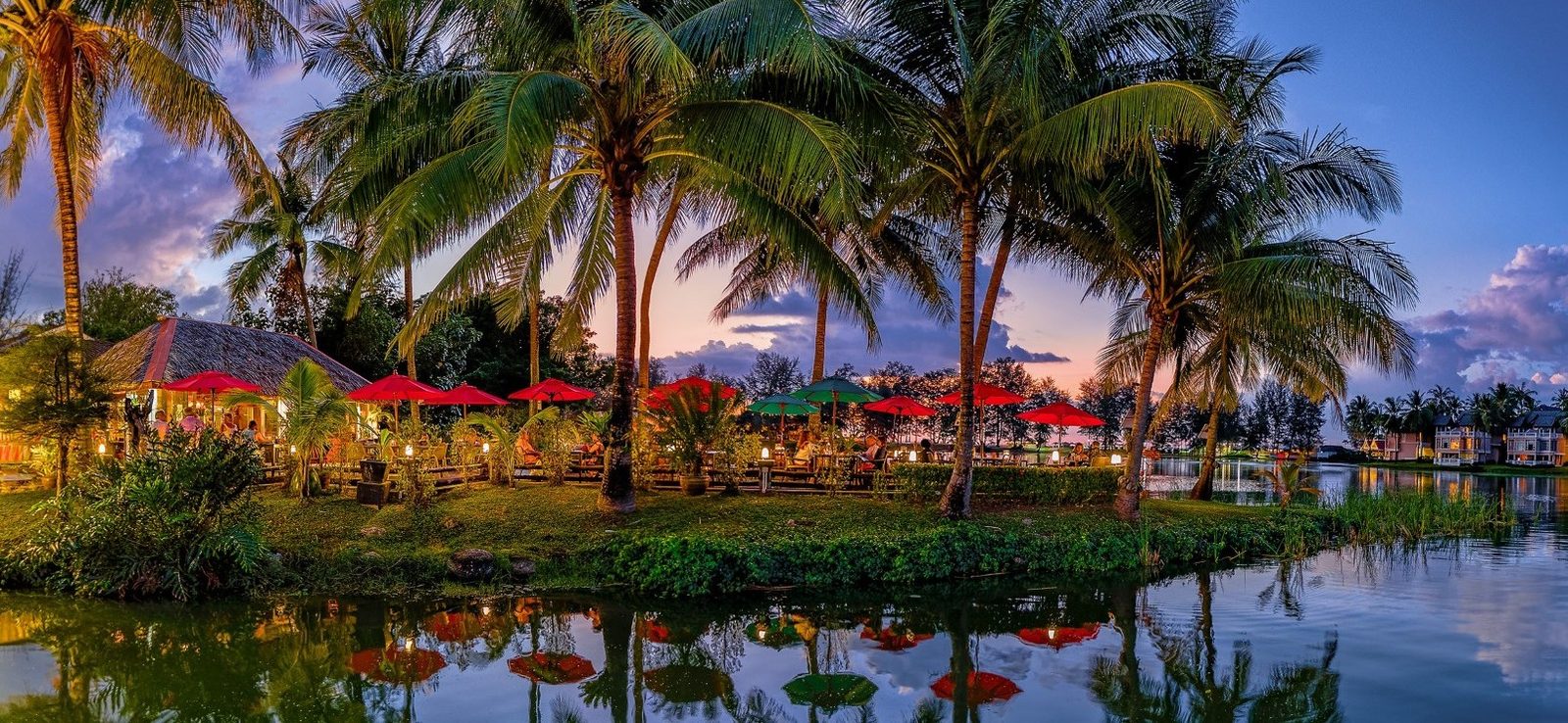
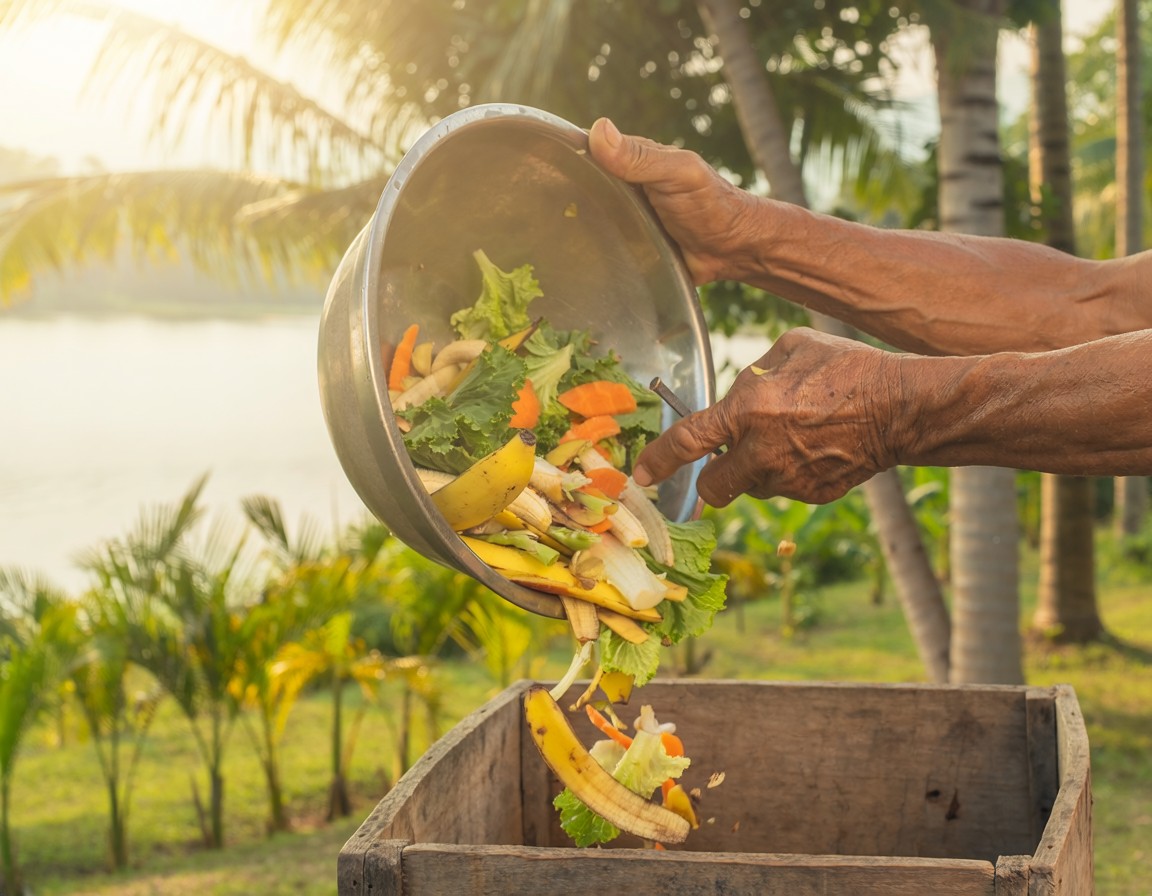
The compost itself comes from a simple decision, to stop treating organic waste as rubbish and start treating it as an input. Once food scraps are separated out and composted instead of binned, the rest of our general waste gets both lighter and drier, which changes how much we are sending off site in the first place. The trees are one visible result. The lighter bins are another, less photogenic but just as real.
Small Habits That Add Up
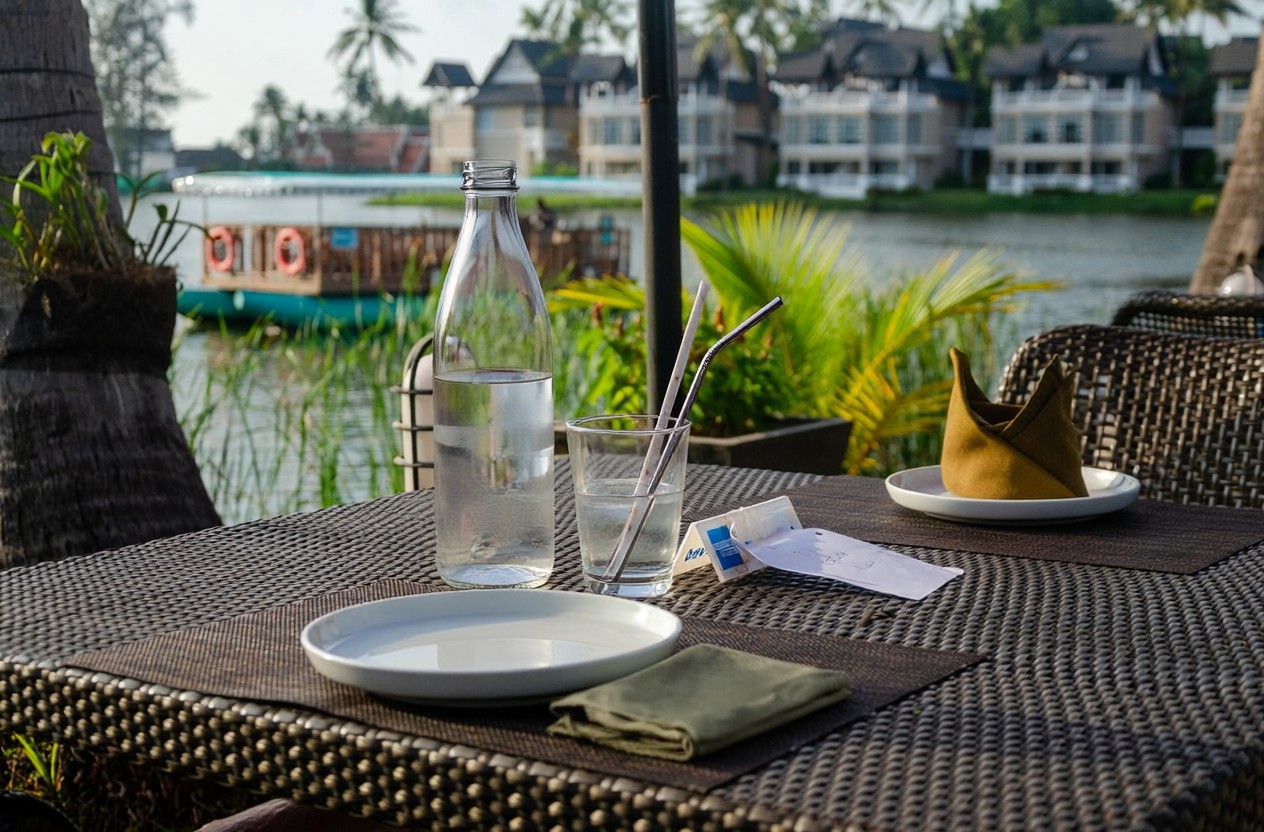
A few other habits sit alongside that one. Plastic straws are gone from Albatross Café, replaced entirely by metal or paper. Guests who ask for water get it in a reusable glass bottle rather than a plastic one. Most of what we cook comes from suppliers within ten kilometres of the restaurant, which keeps ingredients fresh, supports the local businesses we buy from, and cuts down on the transport and handling a longer supply chain would otherwise involve. None of these are new this year, they are simply part of how the kitchen and the front of house already run, and they add up alongside the compost and the trees rather than sitting apart from them.
Energy from the Sun
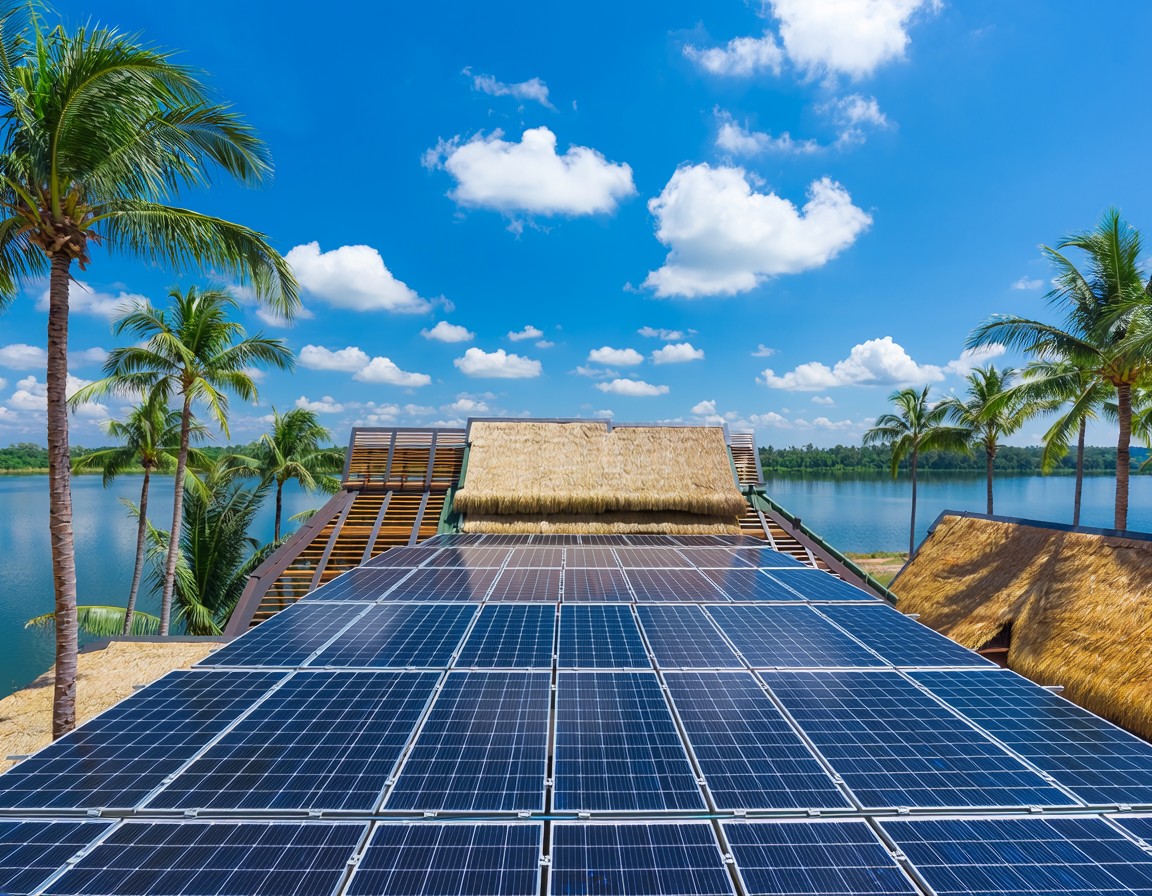
Energy is the other piece worth mentioning. Solar panels above the restaurant take advantage of something Phuket has no shortage of, sunshine, and reduce how much of our electricity comes from the grid. It is a straightforward use of a resource that is already there, rather than a special initiative we point to once and move on from.
The Part We Have Not Finished Yet
The part we have not finished yet is the one we are most interested in talking about honestly. We are working on a plan to make it easier and more appealing for our own staff to get to work without each person driving in separately, whether that means cycling, riding an e-bike, walking, or sharing a ride with a colleague. It is not in place yet, and we would rather say that plainly than describe it as further along than it is. But it is where our attention is going next, because the way our team gets to the lake each morning is as much a part of running this restaurant responsibly as anything that happens once they arrive.

One Ordinary Choice at a Time
So the next time you are on the terrace, take a moment to look up at those coconut trees. They are not there by chance, and neither is most of what keeps Albatross Café running the way it does, one ordinary, unremarkable choice at a time.
We also think it matters to be specific rather than general when we talk about any of this. It is easy for a restaurant to say it cares about sustainability without saying what that actually means in practice. We would rather point at the compost, the trees, the straws, the water bottles, the ten kilometre sourcing radius, and the solar panels, and let each one stand on its own, because that is what we can actually show you if you ask. The staff commuting plan gets the same treatment, we are telling you about it while it is still being worked out, not once it is finished and easy to describe neatly.
If there is a theme running through all of this, it is that sustainability at Albatross Café has never been one big decision. It has been a series of smaller ones, made over time, that happen to add up to something worth mentioning, coconut trees included.